Sourdough Pizza Crust Recipe
Introduction
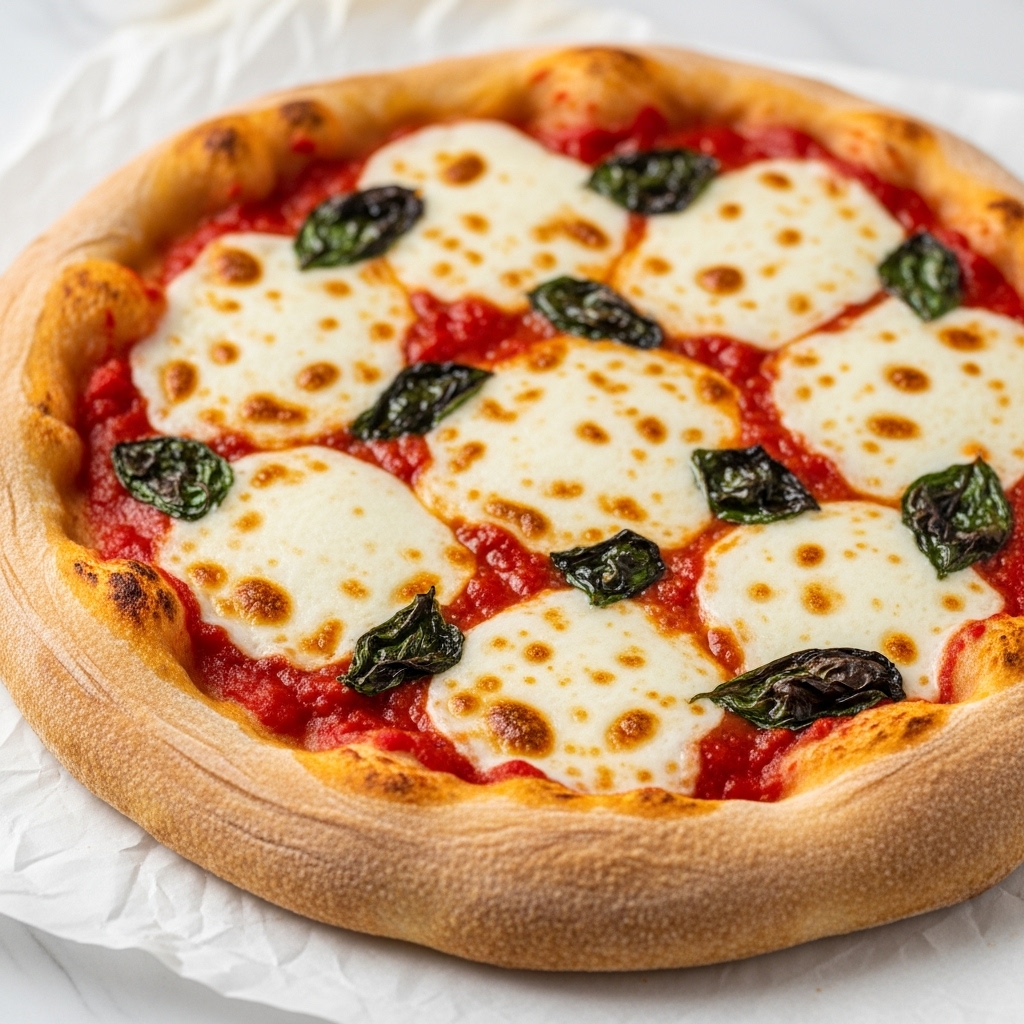
Sourdough pizza crust offers a delightful tang and chewy texture that elevates any homemade pizza. Using a sourdough starter discard, this recipe creates a flavorful dough perfect for baking in a cast iron skillet or on a pizza stone. Enjoy crafting pizza with your favorite toppings and sauces for a truly personalized meal.
Ingredients
- 1/3 cup sourdough starter discard (reduce to 1/4 cup active starter if preferred, about 50 g)
- 2 teaspoons fine sea salt
- 2 tablespoons olive oil
- 1/3 cup + 1 tablespoon whole wheat flour
- 3 3/4 cups all-purpose flour (bread flour or 00 flour can also be used)
- 1 1/3 cups + 1 teaspoon water
- Pizza sauce
- Homemade pesto
- Your choice of toppings
Instructions
- Step 1: The night before baking, combine the sourdough starter discard, salt, olive oil, whole wheat flour, all-purpose flour, and water in a large mixing bowl. Mix by hand until fully combined. Cover and let the dough ferment at room temperature overnight.
- Step 2: The next morning, perform a set of stretch and folds to strengthen the dough. Wet your hand to prevent sticking, gently pull one side of the dough up and fold it over itself, then rotate the bowl and repeat until a full circle is completed. Cover and refrigerate for 8 to 36 hours. This cold ferment is optional but enhances flavor.
- Step 3: When ready to cook, remove dough from the fridge and let it rest at room temperature for 30 minutes. Divide into four equal pieces, shape each into a ball on a floured surface, cover with a tea towel, and rest for another 30 minutes.
- Step 4: Preheat your oven’s broiler to HIGH. Heat a cast iron skillet on the stovetop over medium to medium-high heat. Lightly oil the skillet if needed to prevent sticking.
- Step 5: Press a dough ball into an 8-inch circle on a floured surface. Use additional flour to prevent sticking. If dough resists shaping, let it rest for 15 minutes.
- Step 6: Place the dough circle in the hot skillet. Gently press the edges to cover the bottom. Add sauce and toppings immediately. Cook 5-6 minutes until the bottom chars. If dough is thick, cook longer on lower heat or briefly under the broiler before adding toppings to avoid undercooked center.
- Step 7: Transfer the skillet to the broiler and bake for 2-4 minutes to finish the top. Watch closely to prevent burning as broiler temperatures vary. Slice and serve hot.
- Step 8: Alternatively, to bake on a pizza stone, place the stone in a cold oven and preheat to 450°F (232°C). Shape dough into crusts and add toppings. Use a pizza peel or parchment paper to transfer dough onto the stone quickly to keep its shape.
- Step 9: Bake on the pizza stone for 15-20 minutes until toppings are cooked and crust is done.
Tips & Variations
- Use fine sea salt to ensure even seasoning; adjust quantity if using coarser salts.
- For a lighter crust, substitute bread or 00 flour for all-purpose flour.
- If the dough is sticky, add flour gradually while shaping to avoid toughening.
- Experiment with toppings like fresh mozzarella, roasted vegetables, or pepperoni to customize your pizza.
- Cold fermenting the dough enhances flavor but can be skipped if short on time.
Storage
Store any leftover pizza crust dough wrapped tightly in plastic in the refrigerator for up to 3 days. For longer storage, freeze dough balls in airtight containers for up to 3 months — thaw overnight in the refrigerator before use. Cooked pizza is best enjoyed fresh but can be refrigerated for 2-3 days and reheated in a skillet or oven to restore crispness.
How to Serve
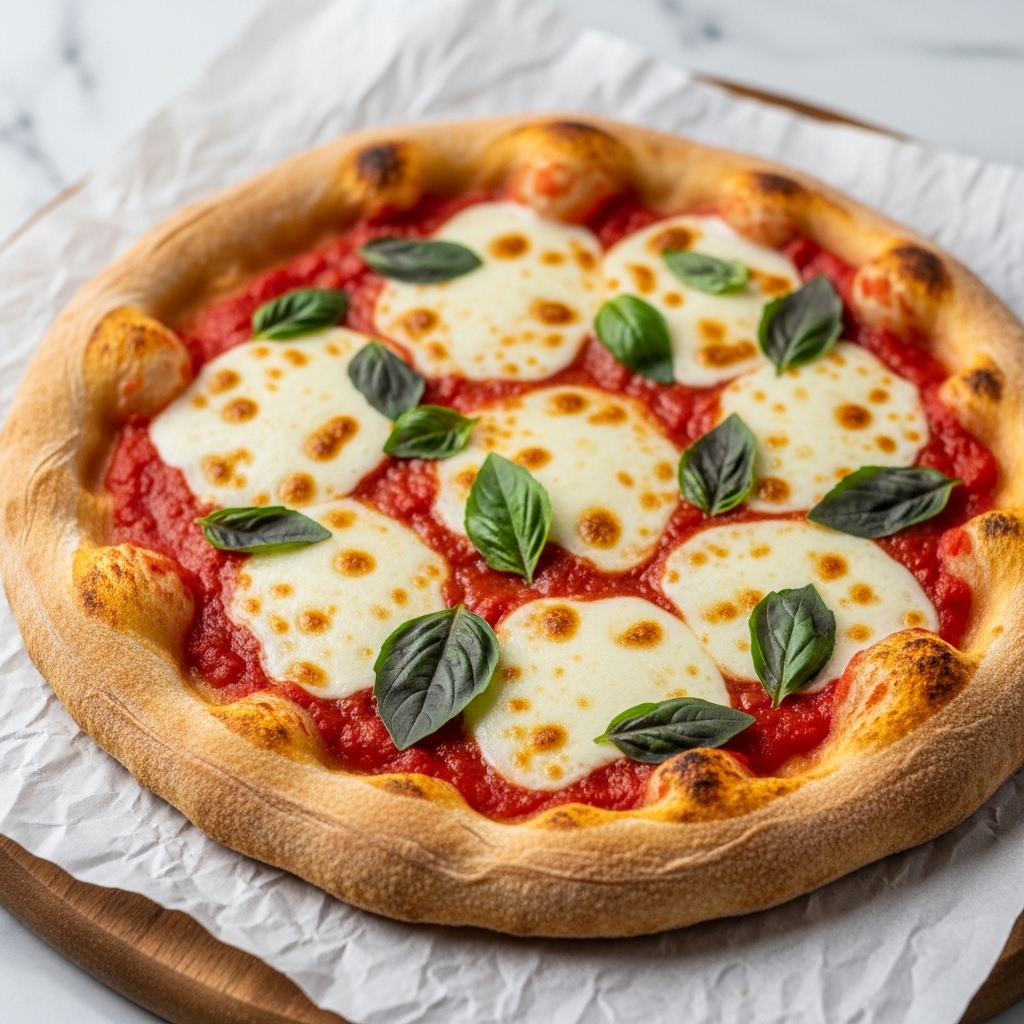
Serve this delicious recipe with your favorite sides.
FAQs
Can I use active sourdough starter instead of discard?
Yes, reduce the active starter to 1/4 cup (about 50 g) to maintain the correct hydration and flavor balance in the dough.
What is the best flour to use for this sourdough pizza crust?
All-purpose flour works well, but bread flour or 00 flour can create a chewier or more authentic Neapolitan-style crust. Choose based on your texture preference and availability.
PrintSourdough Pizza Crust Recipe

This Sourdough Pizza Crust recipe combines the unique tang of sourdough with a crispy, flavorful crust perfect for homemade pizza. Using a mixture of whole wheat and all-purpose flour, the dough undergoes a slow fermentation process to develop flavor and texture. The recipe offers two cooking methods: stovetop cooking in a cast iron skillet followed by broiling for a charred crust, or traditional baking on a pizza stone for a classic oven-baked pizza. Ideal for pizza lovers seeking a rustic, artisanal style pizza base with a delightfully chewy texture.
- Prep Time: 15 minutes (plus overnight fermentation and optional cold ferment of 8-36 hours)
- Cook Time: 15-20 minutes (including stovetop and broiler or oven baking time)
- Total Time: About 24 hours including fermentation; active time approx. 45 minutes
- Yield: 4 personal-sized pizzas (8-inch diameter each) 1x
- Category: Pizza
- Method: Stovetop and Broiling (primary method), alternatively Baking (using pizza stone)
- Cuisine: Italian
Ingredients
Dough Ingredients
- 1/3 cup sourdough starter discard (if using active starter, reduce to 1/4 cup or 50 g)
- 2 teaspoons fine sea salt
- 2 tablespoons olive oil
- 1/3 cup + 1 tablespoon whole wheat flour
- 3 3/4 cups all-purpose flour (bread flour or 00 flour can be used)
- 1 1/3 cups + 1 teaspoon water
Toppings and Sauce
- Pizza sauce (store-bought or homemade)
- Homemade pesto (optional)
- Your choice of toppings (e.g., cheese, vegetables, meats)
Instructions
- Prepare Dough: The night before baking, combine sourdough starter discard, sea salt, olive oil, whole wheat flour, all-purpose flour, and water in a large mixing bowl. Mix thoroughly by hand until fully combined. Cover and let ferment at room temperature overnight to develop flavor.
- Stretch and Fold: The next morning, perform a set of stretch and folds to strengthen the dough. Wet your hand to prevent sticking, gently pull one side of the dough up and fold it over itself, rotating the bowl and repeating on all sides to complete a circle. Cover the dough and refrigerate for 8 to 36 hours for cold fermentation, which is optional but enhances flavor.
- Divide and Rest Dough: Remove the dough from the fridge and let it rest at room temperature for 30 minutes. Divide into 4 equal portions and shape each into a ball on a floured surface. Cover with a tea towel and rest for 30 minutes to relax the gluten.
- Preheat Equipment: Turn your oven’s broiler to HIGH. Heat a cast iron skillet on the stovetop over medium to medium-high heat. Lightly oil the skillet if necessary to prevent sticking.
- Shape Dough and Cook Base: Press a dough ball into an 8-inch circle on a floured surface using your hands, adding flour as needed. If the dough resists shaping, let it rest for 15 more minutes to relax. Place the dough circle carefully into the hot skillet, pressing edges to cover the bottom fully.
- Add Toppings and Cook Bottom: Immediately top the dough with sauce and toppings. Cook the pizza on the stovetop for 5-6 minutes or until the crust’s bottom chars and browns. For thicker dough, cook longer at a lower heat or pre-broil to avoid undercooked centers.
- Broil to Finish: Transfer the skillet to the oven broiler and bake for 2-4 minutes to cook and brown the toppings and crust top. Watch closely to prevent burning due to broiler intensity.
- Alternative Baking on Pizza Stone: Place a pizza stone in a cold oven and preheat to 450°F (232°C). Shape the dough and add toppings. Use a pizza peel or parchment paper to transfer the pizza onto the hot stone quickly to preserve shape.
- Bake Pizza: Bake on the pizza stone for 15-20 minutes or until toppings are cooked through and crust is done to your liking. Remove, slice, and serve hot.
Notes
- For different types of salt, adjust quantity accordingly as some salts are saltier by volume.
- Bread flour or 00 flour can substitute all-purpose flour for a chewier crust and more authentic pizza texture.
- If using active sourdough starter rather than discard, reduce quantity to 1/4 cup to account for hydration differences.
- Cold fermentation time is flexible; longer fermentation improves flavor but dough can be used immediately after stretch and fold.
- If dough is hard to shape due to gluten tension, resting it longer at room temperature helps relax the gluten for easier shaping.
- When cooking in cast iron skillet, avoid overly thick dough to ensure even cooking; pre-broil if necessary to cook through.
- Broiler temperatures vary—monitor closely during broiling to avoid burning toppings.
Keywords: sourdough pizza crust, homemade pizza, cast iron skillet pizza, pizza stone baking, artisanal pizza dough, fermented pizza dough