Soft Sourdough Sandwich Bread Recipe
Introduction
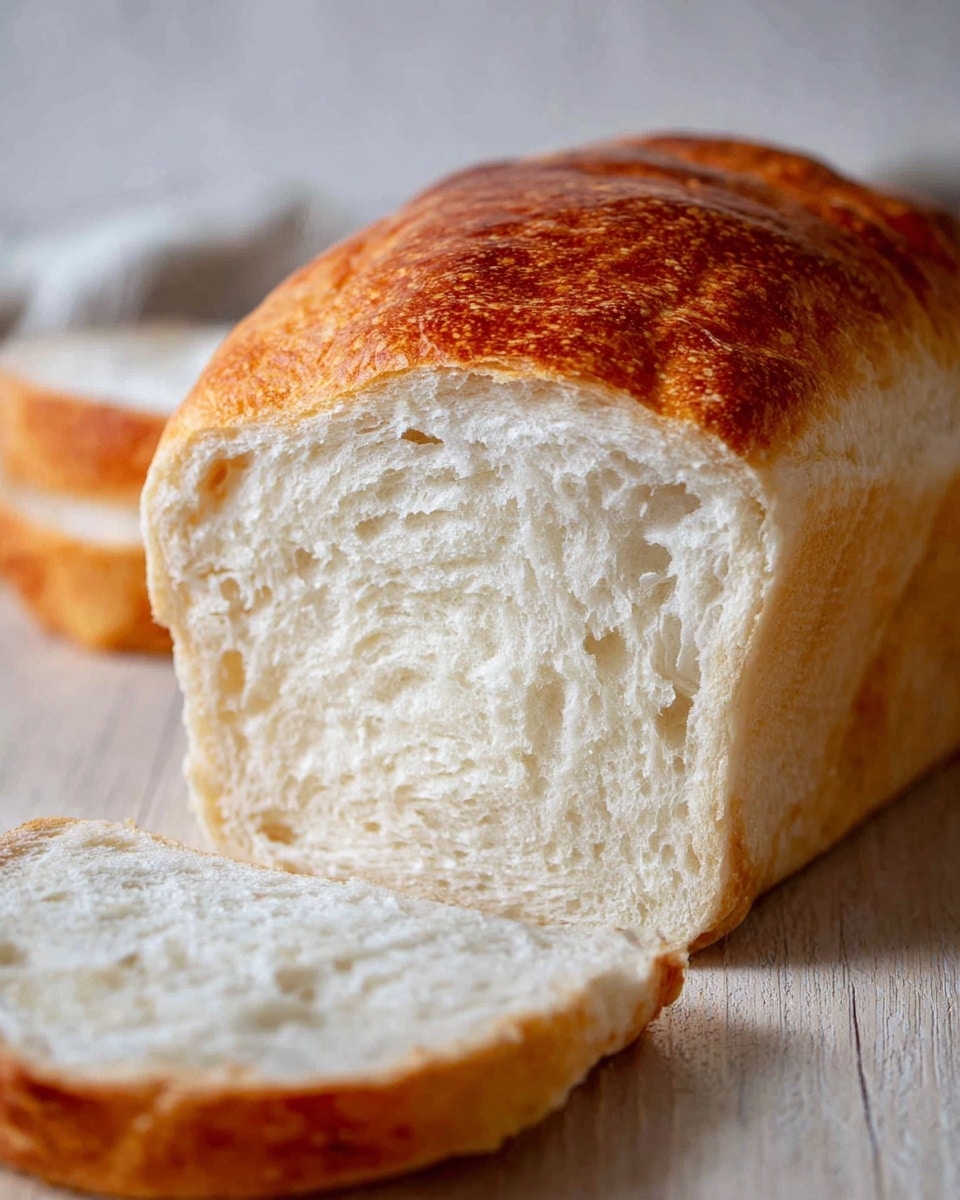
Soft sourdough sandwich bread offers a wonderful combination of tangy flavor and tender crumb, perfect for your favorite sandwiches. This recipe yields fluffy, flavorful loaves with a slightly crisp crust, ideal for everyday use. Let’s dive into making this comforting homemade bread.
Ingredients
- 300 grams sourdough starter, active and bubbly
- 650 grams warm water
- 1000 grams white bread flour
- 50 grams honey
- 40 grams olive oil or avocado oil
- 20 grams fine sea salt
Instructions
- Step 1: In a large bowl, combine the active sourdough starter, warm water, bread flour, honey, oil, and sea salt. Use a Danish dough whisk or your hands to mix everything until fully incorporated.
- Step 2: Cover the mixture and let it rest for 1 hour.
- Step 3: Perform stretch and folds every 20 minutes, repeating 4 times in total. This replaces the need for kneading and helps develop gluten.
- Step 4: After the stretch and folds, allow the dough to bulk ferment for 3 to 4 hours at room temperature.
- Step 5: Place the dough in the refrigerator for 10 to 12 hours or overnight. Alternatively, you may refrigerate immediately after the stretch and folds if short on time.
- Step 6: Remove the dough from the fridge and let it come to room temperature for 1 to 2 hours.
- Step 7: Divide the dough into two or three portions, depending on the desired loaf size.
- Step 8: Shape each portion by rolling or stretching it into a rectangle, fold in thirds, then roll it up tightly. Pinch and tuck the ends underneath.
- Step 9: Place the shaped dough seam-side down into greased loaf pans. Cover with a wet towel, shower cap, or plastic wrap, and proof in a warm place until doubled or nearly doubled in size.
- Step 10: Preheat your oven to 400°F (200°C). Just before baking, score the tops of the loaves and place a pan with hot water on the oven’s lower rack to create steam.
- Step 11: Bake the loaves for 35 to 40 minutes until golden brown and hollow sounding when tapped.
- Step 12: Remove the bread from the oven and pans, then cool on a wire rack. While still hot, brush the tops with butter for a soft crust and added flavor.
- Step 13: Let the bread cool completely before slicing and enjoying your perfect sourdough sandwich bread.
Tips & Variations
- Use avocado oil for a milder flavor, or olive oil for a richer taste.
- Adjust the proofing time depending on your room temperature – warmer environments speed up fermentation.
- Add herbs or seeds to the dough before bulk fermentation for extra flavor and texture.
- For a softer crust, cover loaves with a damp cloth while cooling.
Storage
Store sourdough sandwich bread in a bread box or wrapped in a clean cloth at room temperature for up to 3 days. For longer storage, slice and freeze the bread in airtight bags. Thaw slices at room temperature or lightly toast them for best results.
How to Serve
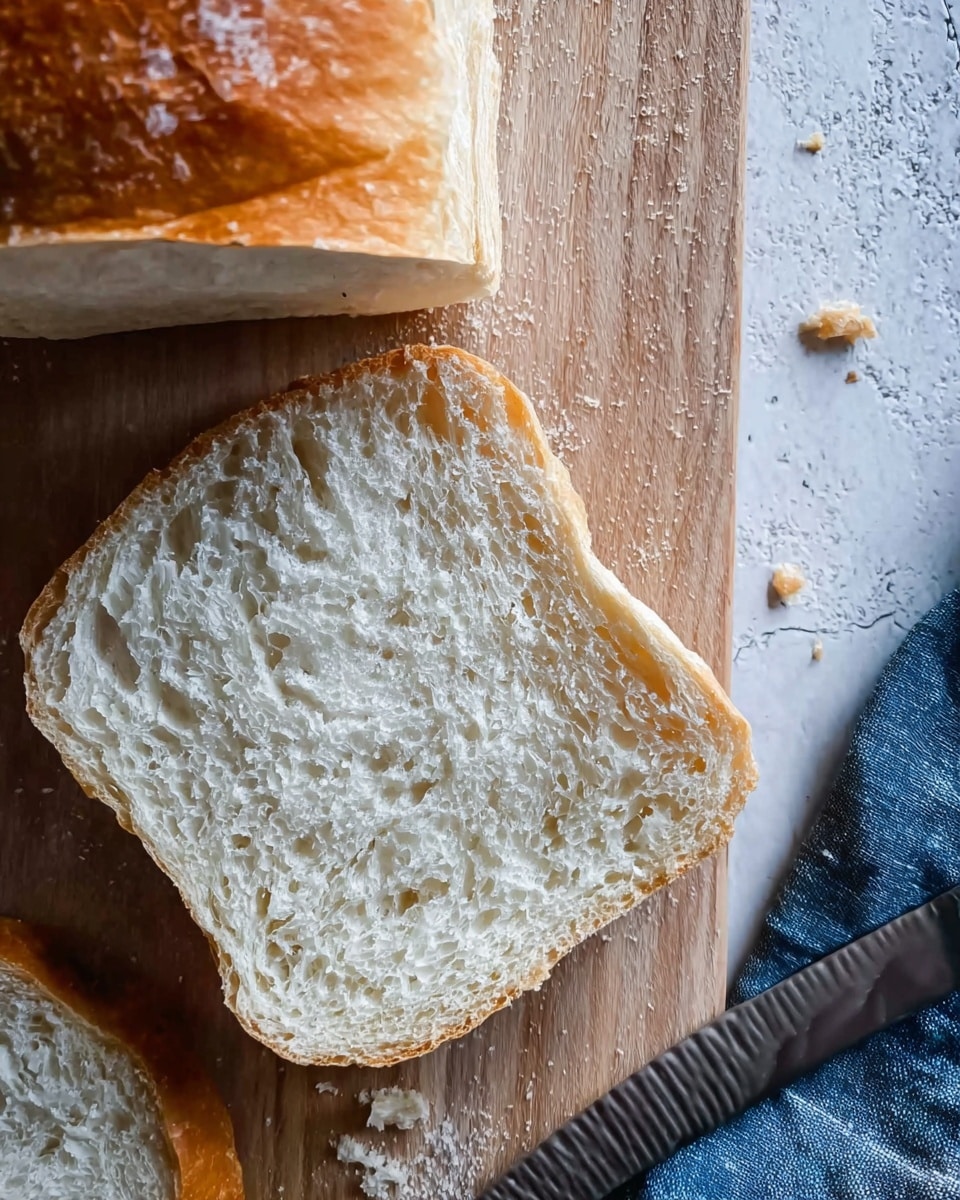
Serve this delicious recipe with your favorite sides.
FAQs
Can I use a different type of flour?
White bread flour is recommended for its gluten content, which helps the bread rise and maintain structure. You can replace up to 20% with whole wheat flour for a heartier loaf, but keep most of the flour white bread flour for the best texture.
Do I need to refrigerate the dough overnight?
Refrigeration is not mandatory but recommended. It slows fermentation, enhances flavor, and improves texture. If short on time, you can skip the fridge step and bake after bulk fermentation, but the bread may be less flavorful and have a slightly different crumb.
PrintSoft Sourdough Sandwich Bread Recipe

This Soft Sourdough Sandwich Bread recipe yields tender, flavorful loaves perfect for sandwiches. Utilizing an active sourdough starter and a slow fermenting process, the bread develops a rich taste and soft crumb. With simple ingredients and a technique involving stretch and folds instead of kneading, this bread is an ideal choice for home bakers looking to make delicious sourdough sandwich bread with an irresistibly soft crust.
- Prep Time: 15 minutes
- Cook Time: 35-40 minutes
- Total Time: Approximately 16-18 hours including fermentation and proofing
- Yield: 2 large sandwich loaves (or 3 medium loaves) 1x
- Category: Bread
- Method: Baking
- Cuisine: French-inspired Sourdough
- Diet: Vegetarian
Ingredients
Primary Ingredients
- 300 grams sourdough starter (active and bubbly)
- 650 grams warm water
- 1000 grams white bread flour
- 50 grams honey
- 40 grams olive oil or avocado oil
- 20 grams fine sea salt
Instructions
- Mix Ingredients: In a large bowl, combine the fed sourdough starter, warm water, white bread flour, honey, oil, and fine sea salt. Use a Danish dough whisk to mix initially, then finish combining completely using your hands to create a sticky dough.
- Initial Rest: Cover the bowl and let the dough rest for 1 hour to begin fermentation and hydration of the flour.
- Stretch and Folds: Perform stretch and folds every 20 minutes, four times in total. This replaces traditional kneading and strengthens the dough. To do this, stretch the dough gently and fold it over itself, rotating the bowl as you go.
- Bulk Fermentation: After the final stretch and fold, allow the dough to bulk ferment at room temperature for 3-4 hours. This step develops flavor and texture.
- Cold Fermentation: Place the dough directly in the refrigerator and let it ferment overnight or for 10-12 hours. This slow fermentation enhances flavor and improves dough texture.
- Bring to Room Temperature: Remove the dough from the fridge and let it come to room temperature for 1-2 hours, allowing it to relax and become easier to shape.
- Divide and Shape: Divide the dough into two large portions for large loaves or three portions for smaller loaves. Stretch or roll each piece into a rectangle, fold it in thirds, then roll it up tightly. Pinch the ends and tuck them underneath to create tight dough logs.
- Proofing: Place each shaped dough seam-side down into a greased loaf pan. Cover with a wet towel, shower cap, or plastic wrap. Let the dough proof in a warm place until it doubles or nearly doubles in size.
- Preheat Oven and Prepare Steam: While the dough is proofing, preheat your oven to 400°F (200°C). Prepare a pan with hot water to place at the bottom of the oven for steam, which helps develop a nice crust and aids oven spring.
- Scoring and Baking: Once proofed, score the top of each loaf with slices or slashes. Place the loaf pan on the oven rack above the pan of hot water. Bake for 35-40 minutes until golden brown and sounds hollow when tapped.
- Cooling and Finishing: Remove bread from the oven, carefully take loaves out of the pans, and place on a wire rack to cool. While still hot, brush the tops with butter to soften the crust and add a rich flavor.
- Serve: Allow bread to cool completely before slicing. Enjoy your soft sourdough sandwich bread, perfect for everyday use!
Notes
- Using a Danish dough whisk helps incorporate ingredients without overworking the dough.
- Stretch and folds are critical to strengthen the dough structure without traditional kneading.
- Cold fermentation greatly enhances flavor and texture but can be adjusted if short on time.
- Proofing in a warm place helps achieve a good rise before baking.
- Adding steam in the oven improves crust development and oven spring.
- Brushing butter on hot bread softens the crust and adds delicious richness.
Keywords: soft sourdough bread, sourdough sandwich bread, homemade sourdough, stretch and fold bread, slow fermented bread, easy sourdough recipe