Sautéed Cabbage Recipe
Introduction
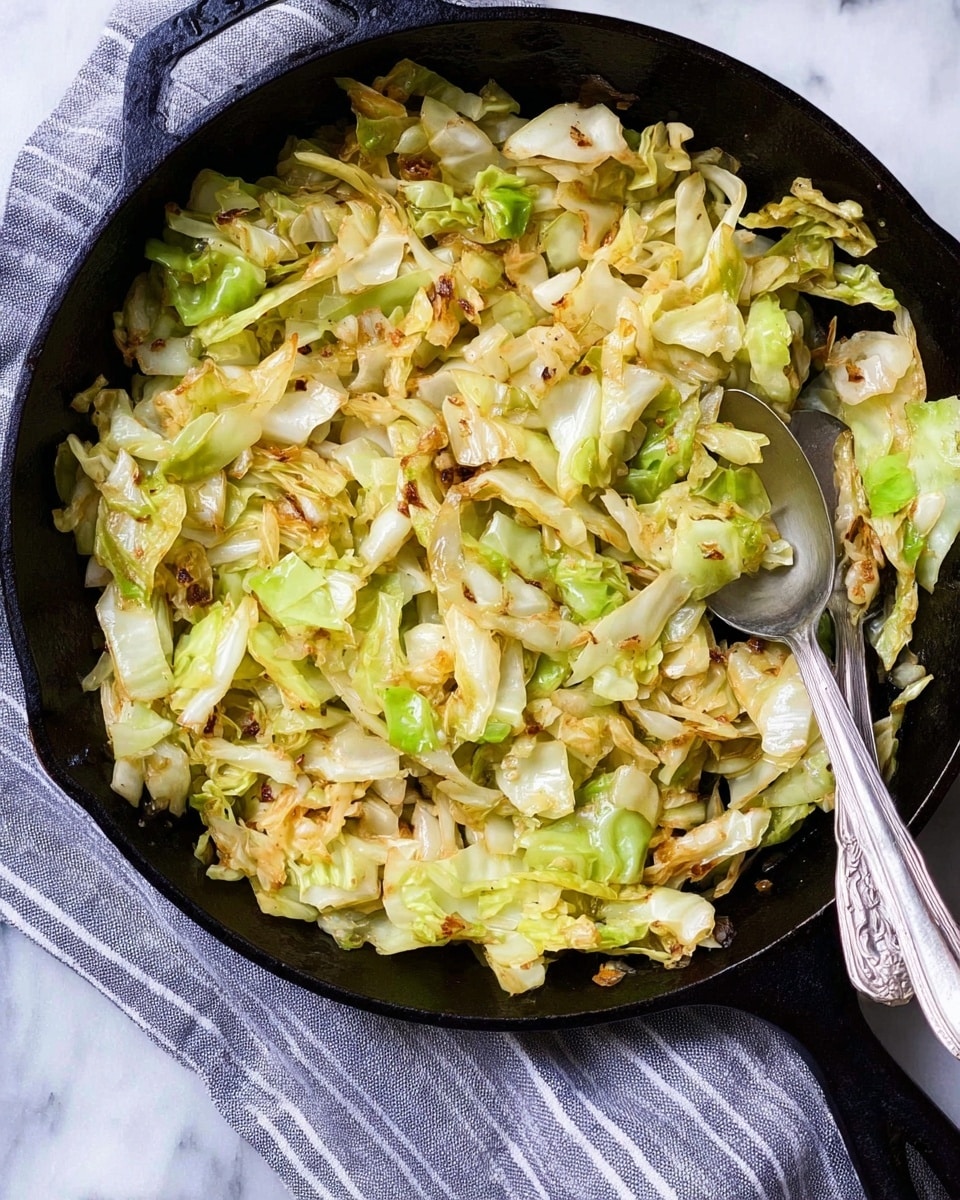
Sautéed cabbage is a simple, flavorful side dish that brings out the natural sweetness of the vegetable. Lightly caramelized and seasoned with a touch of vinegar and fresh thyme, it’s a perfect complement to many meals.
Ingredients
- 1 small head green cabbage (about 2 1/2 pounds)
- 1 tablespoon extra virgin olive oil
- 1 tablespoon unsalted butter
- 1 1/2 teaspoons kosher salt
- 1/2 teaspoon freshly ground black pepper
- ½ tablespoon apple cider vinegar (plus additional to taste)
- 1 tablespoon chopped fresh thyme (optional)
Instructions
- Step 1: Cut the cabbage in half from its top down through its core. Place the cut side down on your cutting board, then slice it as thinly as possible around the core to create fine ribbons. Discard the core.
- Step 2: Heat a large sauté pan or heavy-bottomed pot over medium-high heat. Add the olive oil and butter. Once the butter has melted, add the cabbage, salt, and pepper.
- Step 3: Sauté the cabbage for 10 to 15 minutes, stirring occasionally, until it’s tender and begins to brown. Allow it to sit undisturbed for a minute or two at a time to develop caramelized, flavorful bits.
- Step 4: Remove the pan from heat and stir in the apple cider vinegar. Taste and adjust with more salt, pepper, or vinegar as desired. Sprinkle with fresh thyme if using, and serve warm.
Tips & Variations
- For a sweeter flavor, use red cabbage or add a pinch of sugar when sautéing.
- Try adding a clove of minced garlic in step 2 for extra aroma.
- Substitute apple cider vinegar with white wine vinegar or lemon juice for a different acidic note.
Storage
Store leftover sautéed cabbage in an airtight container in the refrigerator for up to 3 days. Reheat gently in a skillet or microwave until warmed through. Avoid overheating to preserve texture and flavor.
How to Serve
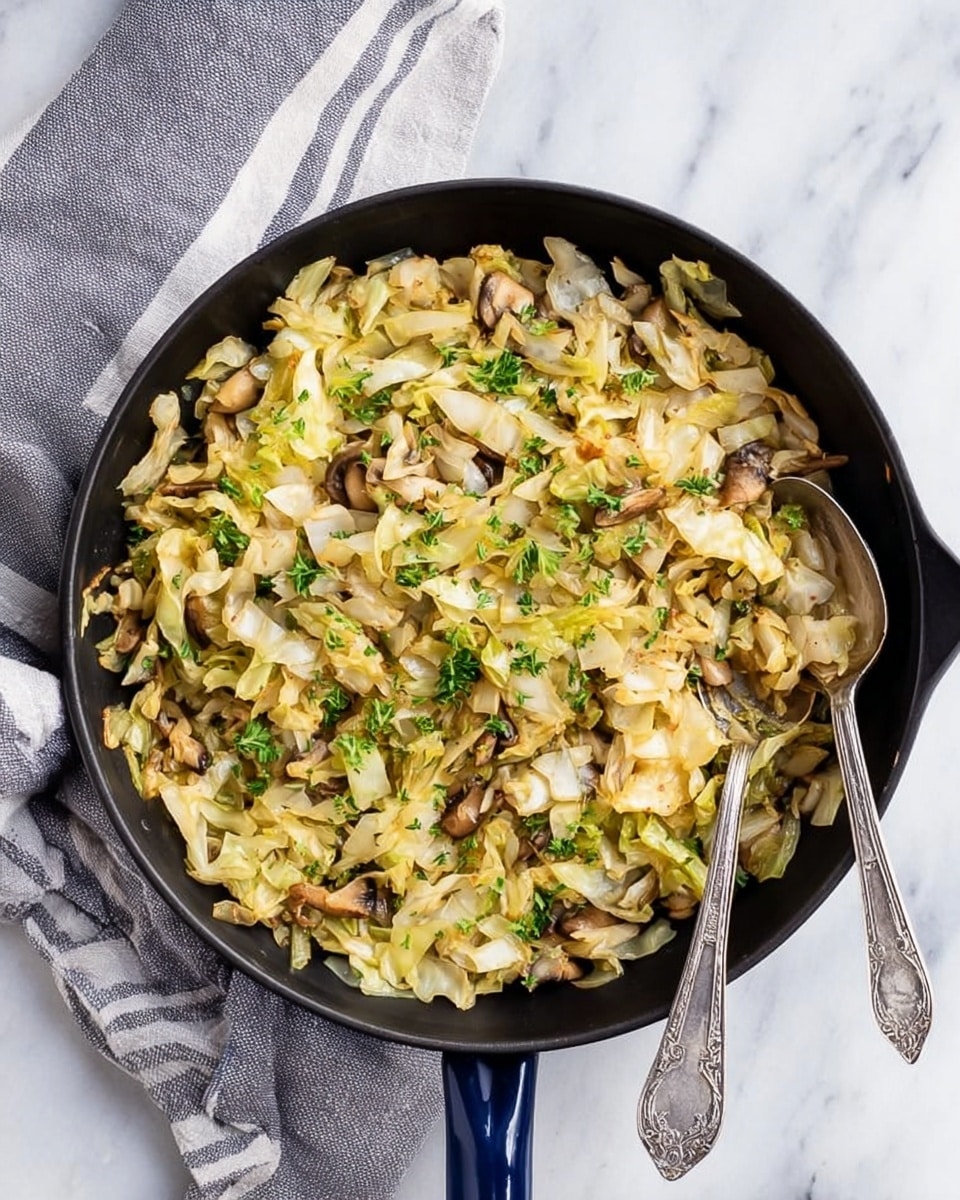
Serve this delicious recipe with your favorite sides.
FAQs
Can I use a different type of cabbage?
Yes, both red cabbage and savoy cabbage work well. Red cabbage will add color and a slightly sweeter taste, while savoy is milder and tender.
Is it necessary to add vinegar?
While vinegar brightens the flavors, you can omit it if you prefer a milder taste. You might also substitute it with lemon juice for a fresh twist.
PrintSautéed Cabbage Recipe

This Sautéed Cabbage recipe offers a simple and flavorful way to transform a humble green cabbage into a tender, caramelized side dish. Cooked with olive oil, butter, and seasoned with salt, pepper, and a splash of apple cider vinegar, the cabbage develops rich, savory notes balanced by a hint of acidity. Optional fresh thyme adds an aromatic touch. Perfect as a warm accompaniment to a variety of main dishes.
- Prep Time: 10 minutes
- Cook Time: 15 minutes
- Total Time: 25 minutes
- Yield: 4 servings 1x
- Category: Side Dish
- Method: Sautéing
- Cuisine: American
- Diet: Low Fat
Ingredients
Vegetables
- 1 small head green cabbage (about 2 1/2 pounds)
Oils & Butters
- 1 tablespoon extra virgin olive oil
- 1 tablespoon unsalted butter
Seasonings
- 1 1/2 teaspoons kosher salt
- 1/2 teaspoon freshly ground black pepper
- ½ tablespoon apple cider vinegar (plus additional to taste)
- 1 tablespoon chopped fresh thyme (optional)
Instructions
- Prepare the Cabbage: Cut the cabbage in half from top to bottom through the core, then place the cut side down on your cutting board. Slice the cabbage as thinly as possible around the core to create fine ribbons. Discard the core.
- Heat the Pan and Cook Cabbage: Preheat a large sauté pan or heavy-bottomed pot over medium-high heat. Add the olive oil and unsalted butter. Once the butter has melted, add the sliced cabbage along with the kosher salt and freshly ground black pepper. Sauté the cabbage for 10 to 15 minutes, stirring occasionally. Allow the cabbage to sit undisturbed at times so it develops caramelized, brown bits that enhance the flavor.
- Finish and Serve: Remove the pan from heat and stir in the apple cider vinegar. Taste and adjust seasoning with additional salt, pepper, or vinegar as desired to balance the flavors. Finally, sprinkle the chopped fresh thyme over the cabbage if using, and serve warm.
Notes
- For more acidity, add more apple cider vinegar to taste after cooking.
- Caramelizing the cabbage by allowing it to sit in the pan without constant stirring enhances the dish’s flavor.
- Fresh thyme is optional but adds a fragrant herbal note.
- Use a heavy-bottomed pan to ensure even heat and better caramelization.
Keywords: Sautéed cabbage, caramelized cabbage, cabbage side dish, easy vegetable recipe, healthy sauté, quick vegetable side