Pumpernickel Bread Recipe
Introduction
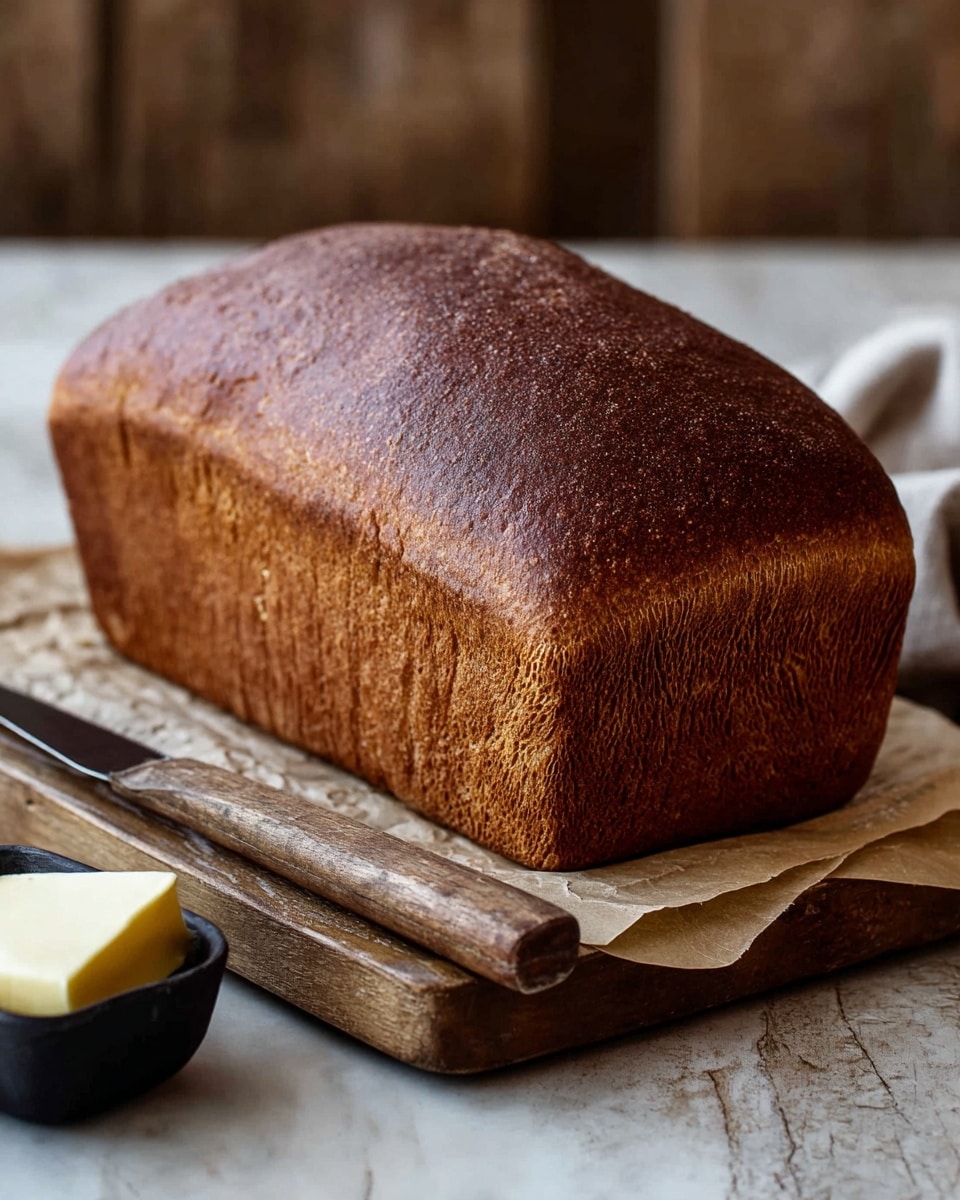
Pumpernickel bread is a rich, dense loaf with a deep, slightly sweet flavor thanks to molasses and rye flour. This recipe combines a mix of flours and cocoa powder for that classic dark color and a hearty texture perfect for sandwiches or toasting.
Ingredients
- 2 ½ cups (312.5 g) all-purpose flour
- 1 cup (127 g) bread flour
- 1 cup (102 g) medium rye flour
- 2 tablespoons unsweetened cocoa powder
- 5 teaspoons instant yeast
- 1 tablespoon granulated sugar
- 1 tablespoon kosher salt
- 1 ½ cups warm water (105°F-115°F)
- ½ cup (168.5 g) molasses
- 2 tablespoons vegetable oil
Instructions
- Step 1: Spray a 9×5-inch loaf pan with nonstick cooking spray and set it aside.
- Step 2: In a large bowl, whisk together the all-purpose flour, bread flour, rye flour, cocoa powder, instant yeast, sugar, and kosher salt until well combined.
- Step 3: In the bowl of a stand mixer fitted with a dough hook, mix the warm water, molasses, and vegetable oil.
- Step 4: Gradually add the dry ingredients to the wet ingredients while mixing on low speed until a dough forms, about 1-2 minutes.
- Step 5: Knead the dough with the mixer for 5-8 minutes until smooth and elastic. Alternatively, turn the dough onto a lightly floured surface and hand knead for 8-10 minutes.
- Step 6: Place the dough in a large, clean, oiled bowl and cover. Let it rise in a warm place until doubled in size, about 60-90 minutes.
- Step 7: Once risen, roll the dough out on a lightly floured surface into a rectangle approximately the width of your loaf pan.
- Step 8: Starting at a short end, roll the dough tightly into a log, pinching seams to keep it tight.
- Step 9: Place the rolled dough seam-side down into the prepared loaf pan.
- Step 10: Cover and let it rise again in a warm spot until doubled, about 45 minutes. Preheat the oven to 375°F (190°C) during this time.
- Step 11: Bake the loaf for 50-55 minutes or until it sounds hollow when tapped.
- Step 12: Remove the bread from the oven and cool completely on a wire rack before slicing.
Tips & Variations
- For a more pronounced rye flavor, substitute medium rye flour with dark rye flour.
- Adding a handful of caraway seeds to the dry ingredients gives a traditional touch to your pumpernickel.
- If you prefer a sweeter bread, increase molasses by a few tablespoons but reduce the sugar slightly.
- Use a baking stone or place a tray of water in the oven to create steam for a crustier loaf.
Storage
Store the pumpernickel bread at room temperature in an airtight container or bread bag for up to 3 days. For longer storage, freeze the loaf tightly wrapped for up to 8 weeks. To reheat, thaw at room temperature and warm slices in a toaster or oven for best flavor and texture.
How to Serve
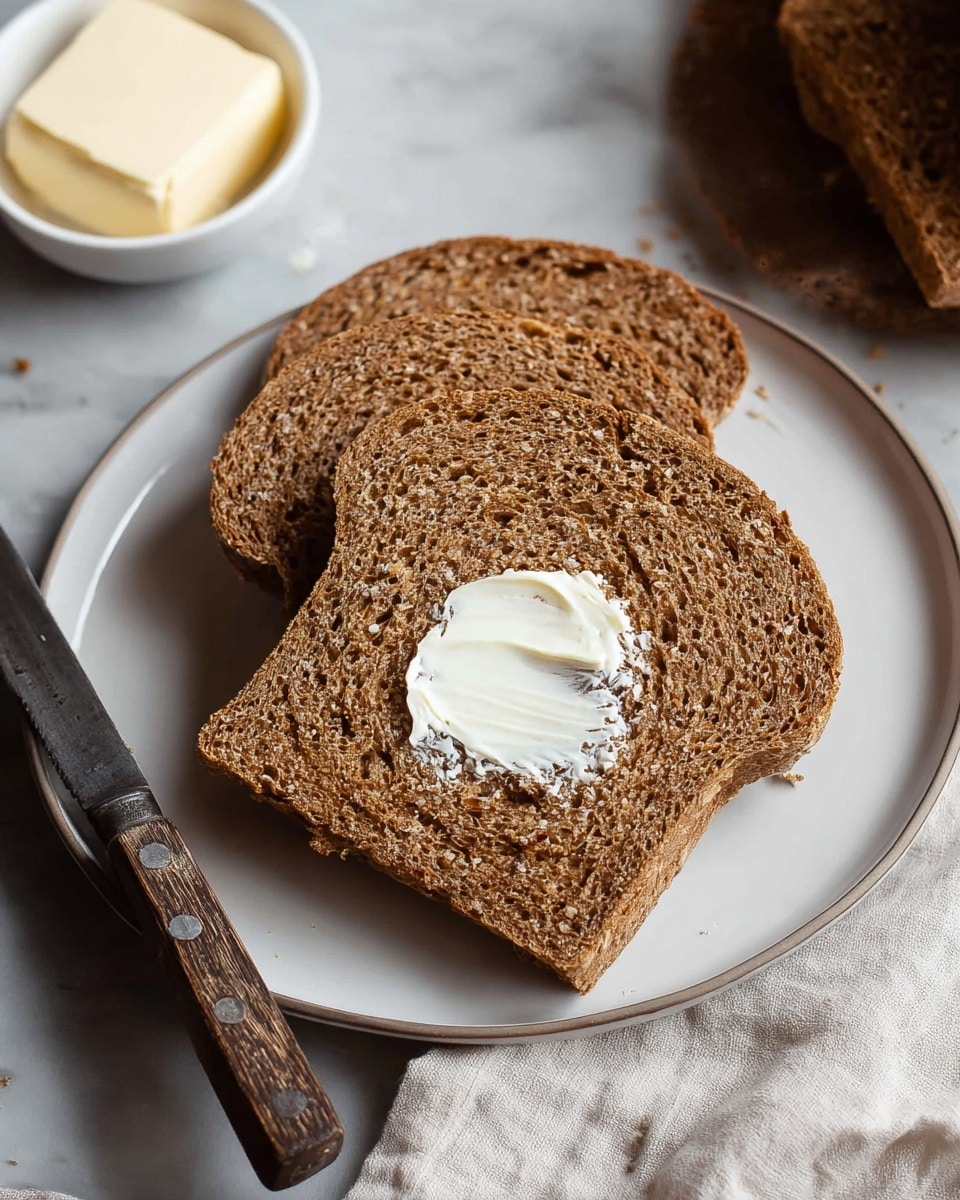
Serve this delicious recipe with your favorite sides.
FAQs
Can I use only rye flour for this bread?
Using only rye flour will result in a very dense and heavy loaf since rye lacks gluten. It’s best to combine rye with all-purpose or bread flour to achieve a good structure and rise.
Why is unsweetened cocoa powder used in this recipe?
Unsweetened cocoa powder enhances the deep dark color of traditional pumpernickel bread without adding sweetness or cocoa flavor. It also contributes to the bread’s unique appearance.
PrintPumpernickel Bread Recipe
This rich and hearty Pumpernickel Bread combines a blend of all-purpose, bread, and rye flours with unsweetened cocoa powder and molasses for a deep, complex flavor. It features a two-rise method and is baked to perfection in a loaf pan, delivering a moist, slightly sweet bread that pairs wonderfully with savory or sweet toppings.
- Prep Time: 20 minutes
- Cook Time: 55 minutes
- Total Time: 3 hours 10 minutes
- Yield: 1 loaf (9×5-inch) 1x
- Category: Bread
- Method: Baking
- Cuisine: German
Ingredients
Dry Ingredients
- 2 ½ cups (312.5 g) all-purpose flour
- 1 cup (127 g) bread flour
- 1 cup (102 g) medium rye flour
- 2 tablespoons unsweetened cocoa powder
- 5 teaspoons instant yeast
- 1 tablespoon granulated sugar
- 1 tablespoon kosher salt
Wet Ingredients
- 1 ½ cups warm water (105°F-115°F)
- ½ cup (168.5 g) molasses
- 2 tablespoons vegetable oil
Instructions
- Prepare Loaf Pan: Spray a 9×5-inch loaf pan with nonstick cooking spray and set aside to ensure the bread doesn’t stick during baking.
- Whisk Dry Ingredients: In a large bowl, combine the all-purpose flour, bread flour, rye flour, cocoa powder, instant yeast, sugar, and kosher salt. Whisk thoroughly to evenly distribute all ingredients.
- Mix Wet Ingredients: In the bowl of a stand mixer fitted with a dough hook attachment, combine warm water, molasses, and vegetable oil, mixing gently to blend.
- Add Dry Ingredients to Wet: Gradually add the dry ingredient mixture to the wet ingredients in the mixer bowl. Mix on low speed until a dough begins to form, about 1-2 minutes.
- Knead the Dough: Continue kneading the dough in the mixer for 5-8 minutes until it becomes smooth and elastic. Alternatively, transfer the dough to a lightly floured surface and knead by hand for 8-10 minutes.
- First Rise: Place the kneaded dough into a large, clean, oiled bowl and cover it. Let it rise in a warm spot until doubled in size, approximately 60-90 minutes.
- Shape Dough: After the first rise, place the dough on a lightly floured surface and roll it out into a rectangular shape about the width of your loaf pan.
- Roll Dough: Starting at the short end of the rectangle, tightly roll the dough into a log shape, pinching the seams to seal the dough into a tight surface.
- Second Rise: Place the rolled dough seam-side down into the prepared loaf pan. Cover and let it rise again in a warm place until doubled in size, about 45 minutes.
- Preheat Oven: As the dough completes its second rise, preheat your oven to 375°F (190°C).
- Bake: Bake the loaf for 50-55 minutes, or until the bread sounds hollow when tapped, indicating it is fully baked.
- Cool Bread: Remove the bread from the oven and let it cool completely on a wire rack before slicing to set the crumb and enhance flavor.
- Storage: Store the bread at room temperature for up to 3 days in an airtight container, or freeze it for up to 8 weeks to maintain freshness.
Notes
- Warm water should be between 105°F and 115°F to activate the yeast without killing it.
- For a richer flavor, molasses adds moisture and a slight sweetness characteristic of traditional pumpernickel bread.
- Ensure the dough has doubled in size during both rises to achieve a light and airy texture.
- Letting the bread cool completely before slicing prevents it from becoming gummy.
- You can substitute vegetable oil with another neutral oil like canola or light olive oil if desired.
Keywords: Pumpernickel bread, rye bread, homemade bread, molasses bread, cocoa powder bread, hearty bread, artisan bread