No Knead Salt Bread Recipe
Introduction
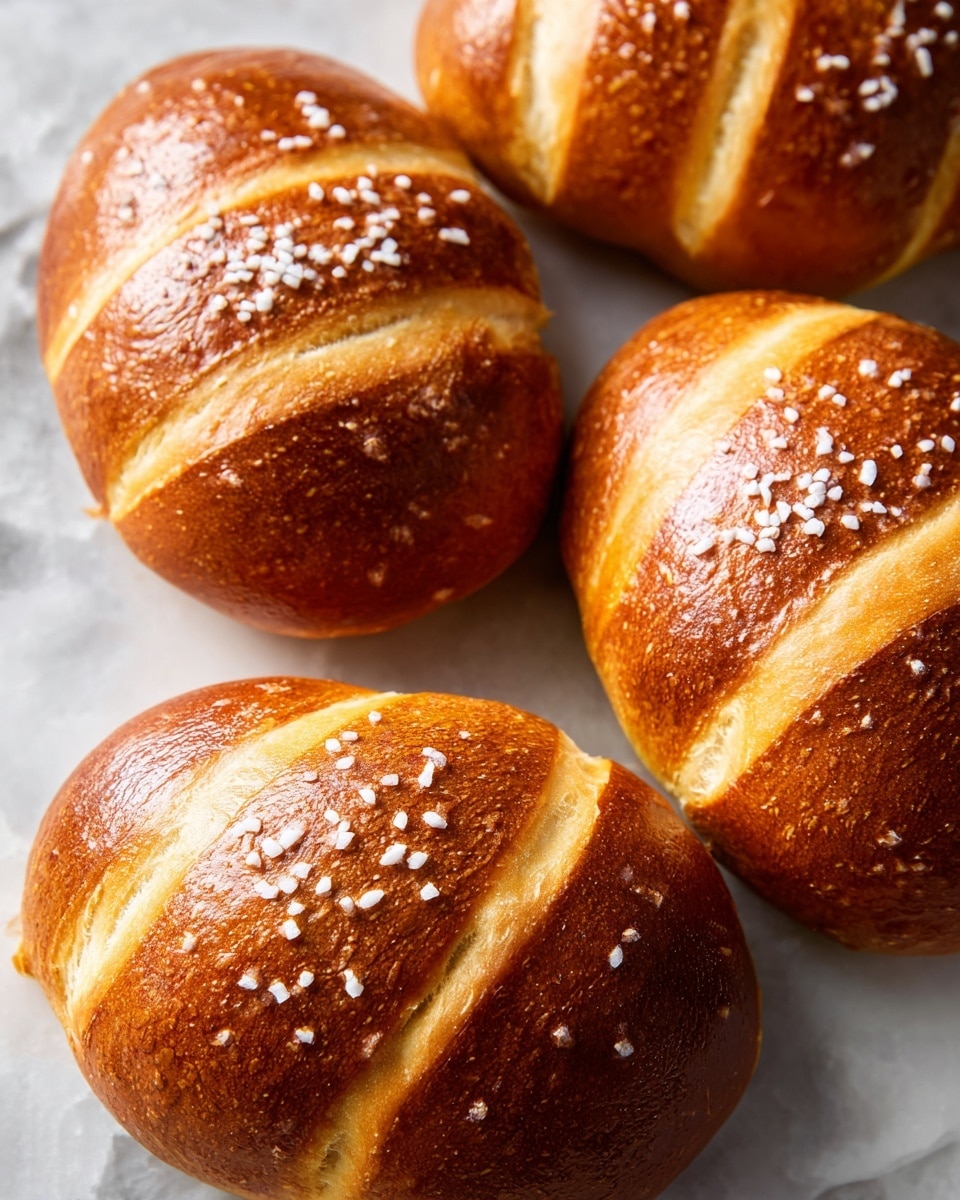
No Knead Salt Bread is a delightful homemade bread with a soft interior and a crisp, buttery crust topped with coarse salt. This recipe requires minimal hands-on time and no kneading, making it perfect for bakers of all levels. The result is rich, flavorful rolls with a tender crumb and a satisfying salty finish.
Ingredients
- 1 cup + 2/3 cup (200 g) bread flour*
- 1/4 cup (30 g) cake flour*
- 1 tbsp + 1/4 tsp (14 g) sugar
- 1 tsp (4 g) salt
- 1/4 tsp (1.5 g) instant dry yeast for overnight method or 2/3 tsp (3 g) for same day method
- 1/2 cup (114 ml) 2% milk*
- 1/4 cup (60 ml) water
- 1 tbsp (15 g) unsalted butter or refined coconut oil, softened
- 5-6 tbsp salted butter (12-14 g butter per roll), for rolling
- Pearl salt, rock salt, pretzel salt, or flaky salt for topping
Instructions
- Step 1: In a bowl, combine bread flour, cake flour, sugar, salt, yeast, milk, and water. Mix until the dough comes together.
- Step 2: Add softened butter or melted coconut oil and incorporate it into the dough. The dough should look rough.
- Step 3: Cover and rest the dough for 30 minutes.
- Step 4: Perform the first set of stretch-and-folds (4 folds total), then slap-and-fold for 1 minute. Cover and rest 30 minutes.
- Step 5: Repeat a second round of stretch-and-folds, slap-and-fold 1 minute, then rest 20 minutes.
- Step 6: Do a final set of stretch-and-folds, slap-and-fold 1 minute, then cover and refrigerate overnight to proof for 8-12 hours. For same-day method, proof at room temperature for 60-90 minutes until doubled in size.
- Step 7: Remove dough from fridge and bring it to 17–20°C (63–68°F). Cut the butter for rolling into 2 cm x 4.5 cm pieces for round rolls or 1 cm x 6 cm for crescent shapes, about 12-14 g each, and keep frozen.
- Step 8: Punch down the dough and transfer to a work surface. Divide into 6 triangular pieces (~70 g each), pinching scraps into the center.
- Step 9: Shape each piece by pinching opposite edges together to form a thin icicle shape, then gently roll to 15 cm. Place seam-side down, cover, and rest for 10-15 minutes.
- Step 10: Roll each piece (rough side up) into a teardrop shape by flattening the top edge and rolling carefully to control width and length. If dough resists, cover and rest longer.
- Step 11: Place a frozen butter block at the base of the dough, fold the top edge over the butter (do not seal sides completely), and roll down towards the tip, lifting the roll to create gentle tension.
- Step 12: Seal the tip gently, place seam-side down on a dark, nonstick baking tray, cover, and repeat for remaining pieces.
- Step 13: Proof for 55-65 minutes at 30-32°C (86-90°F) until nearly doubled, jiggly, and a gentle poke springs back slowly with a faint indent.
- Step 14: Preheat your oven 20-30 minutes before baking to the highest temperature it allows (around 230°C / 446°F).
- Step 15: Lightly mist the dough with water and sprinkle with salt.
- Step 16: For steam ovens, bake on steam mode for 2-5 minutes, then reduce heat to 210°C and bake 12-13 minutes until golden and crispy. If heat is lost, bake an additional 5-8 minutes.
- Step 17: For conventional or convection ovens, spray dough 10 times before baking, then quickly spray the oven 15 times and immediately close the door.
- Step 18: Bake for 3 minutes, reduce oven to 200°C (392°F) for convection or 210°C (410°F) for conventional, then bake for 12 minutes until golden and crisp.
- Step 19: Remove from oven, brush leaked butter over the tops, serve immediately, and enjoy!
Tips & Variations
- Weighing ingredients with a kitchen scale ensures accuracy and better results.
- Use different types of salt like pearl or flaky salt for varied texture and flavor on top.
- Adjust proofing time depending on whether you choose the overnight or same-day method.
- Keep butter frozen for easier handling and better layering in the rolls.
- Baking on a dark tray helps achieve a thicker crunchy bottom crust, but make sure it is nonstick.
Storage
Store leftover salt bread in an airtight container at room temperature for up to 2 days to maintain freshness. For longer storage, freeze the rolls in a sealed bag for up to 1 month. To reheat, warm them in a preheated oven at 180°C (350°F) for 5-7 minutes to restore crispness.
How to Serve

Serve this delicious recipe with your favorite sides.
FAQs
Can I use all-purpose flour instead of bread and cake flour?
All-purpose flour can be used in a pinch, but the texture and crumb might be slightly different. The combination of bread and cake flour gives a good balance of structure and tenderness.
Is it necessary to use milk in the dough?
Milk adds richness and a softer crumb, but you can substitute with water if needed. The flavor and texture will be less rich but still enjoyable.
PrintNo Knead Salt Bread Recipe

This no-knead salt bread recipe yields tender, flavorful rolls with a perfectly crispy crust thanks to a careful combination of flours, a slow-proofing process, and a unique butter-filled rolling technique. The dough requires minimal effort, relying on rest and stretch-and-fold methods rather than traditional kneading, resulting in a beautifully textured bread topped with flaky salt for an irresistible savory treat.
- Prep Time: 30 minutes active + 8-12 hours overnight rest (can be shortened to 1.5 hours for same-day method)
- Cook Time: 17-23 minutes
- Total Time: 9 to 13 hours (overnight method) or approximately 2 hours (same-day method)
- Yield: 6 salt bread rolls 1x
- Category: Bread
- Method: Baking
- Cuisine: European
Ingredients
Dough Ingredients
- 1 cup + 2/3 cup (200 g) bread flour
- 1/4 cup (30 g) cake flour
- 1 tbsp + 1/4 tsp (14 g) sugar
- 1 tsp (4 g) salt
- 1/4 tsp (1.5 g) instant dry yeast for overnight method or 2/3 tsp (3 g) instant dry yeast for same day method
- 1/2 cup (114 ml) 2% milk
- 1/4 cup (60 ml) water
- 1 tbsp (15 g) unsalted butter or refined coconut oil, softened
For Rolling and Topping
- 5–6 tbsp salted butter (12–14 g butter per roll), for rolling
- Pearl salt, rock salt, pretzel salt, or flaky salt for topping
Instructions
- Preliminary Notes: Weigh all ingredients using a kitchen scale for accuracy as imperial measurements are approximate. Review the ultimate guide to salt bread for insights on gluten development, dough temperature, oven spring, and shaping techniques.
- Mix the Dough: In a large bowl, combine bread flour, cake flour, sugar, salt, yeast, milk, and water. Stir until the dough just comes together. Add softened butter or melted coconut oil and squish the dough to incorporate it, forming a rough-textured dough. Cover and rest for 30 minutes.
- Stretch, Fold & Rest: Perform four folds of stretch-and-fold around the dough followed by 1 minute of slap-and-fold. Cover and rest for 30 minutes. Repeat the stretch-and-fold and slap-and-fold process a second time, then rest for 20 minutes. Perform a final set of stretch-and-fold followed by 1 minute of slap-and-fold and then cover and refrigerate overnight for proofing (8-12 hours). For a same-day method, proof at room temperature for 60-90 minutes until doubled in size.
- Bring to Temperature: Remove the dough from the fridge and let it warm to 17–20°C (62–68°F). Use a warm spot or proofing box if needed. In a microwave, warm a small cup of water for 30-45 seconds and place the dough bowl inside to aid warming in winter months.
- Prepare Butter Blocks: Cut the butter into blocks approximately 2 cm x 4.5 cm for round rolls or 1 cm x 6 cm for crescent shapes, each about 12-14 g. Freeze these butter blocks after preparation.
- Divide & Pre-Shape: Punch down the dough and transfer to a work surface. Divide into six triangular pieces (~70 g each) like slicing a pizza, consolidating scraps into the center of the triangles. Pinch opposite edges together forming thin icicle shapes, then gently roll to about 15 cm. Place seam-side down, cover, and rest for 10-15 minutes to relax gluten.
- Roll Out: Working with one piece at a time (rough side up), press the top edge down to flatten, then roll out into a teardrop shape. Use your preferred rolling technique: starting about 1/3 from the base, hold the base and roll upward, then hold the tail and roll downward to control the dough’s length and width. If dough resists or shrinks, cover and rest longer. Shorter bases (~6 cm) yield rounder, thicker rolls (35–50 cm length), longer bases (~10 cm) yield crescent shapes (25–35 cm length).
- Add Butter & Roll: Place a frozen butter block at the base of the dough. Fold the top edge over the butter without sealing the sides completely, allowing butter to seep out during baking. Roll down towards the tip, lifting occasionally to maintain proper tension (neither too tight nor loose). Press the tip gently to seal. Place seam-side down on a dark, nonstick baking tray (lining optional). Dark trays provide a crunchier bottom crust, but parchment can be used with darker pans.
- Proof Rolls: Keep the shaped rolls covered and proof in a warm environment at 30-32°C (86-90°F) for 55-65 minutes or until the dough is nearly doubled, jiggly, and a gentle poke springs back slowly leaving a faint indent.
- Preheat Oven: Begin heating the oven to the highest temperature possible (typically 230°C/446°F) around 20-30 minutes before the proof finishes.
- Bake with Steam: Lightly mist the proofed rolls with water and sprinkle with salt. For steam ovens, bake with steam mode on for 2-5 minutes according to your oven capabilities. Then reduce the heat to 210°C and bake for 12-13 minutes until golden and crispy on both sides. If the oven loses heat during steaming, add another 5-8 minutes of baking as needed.
- Bake in Conventional/Convection Oven: Spray the dough 10 times with water before baking. Quickly spray the oven 15 times and close immediately. Bake for 3 minutes at the starting temperature. Then reduce to 200°C (392°F) for convection ovens or 210°C (410°F) for conventional ovens. Continue baking for 12 minutes until golden and crisp on both sides.
- Finish & Serve: Remove bread from oven and brush any leaked butter over the tops. Serve immediately and enjoy the freshly baked, buttery, and salty rolls.
Notes
- For best results, use a kitchen scale to weigh ingredients rather than relying on volume measurements.
- The dough is intentionally rough and sticky; avoid over-kneading to preserve texture.
- Proofing temperature and times may vary with environment; adjust accordingly to achieve proper rise.
- Butter blocks are designed to melt slowly during baking, creating moist, rich layers inside each roll.
- Using a dark baking tray helps develop a thicker, crunchier crust on the bottom.
- The recipe supports both overnight and same-day preparation methods depending on yeast quantity used.
- Adjust salt type on top according to preference—pretzel salt or flaky salt offers a distinctive crunch and flavor.
Keywords: no knead bread, salt bread, soft bread rolls, yeast bread, bakery style bread, buttery rolls, savory bread, homemade bread, bread recipe, easy bread